
On this page

Dental Restorations Palm Desert, CA
If you are struggling with teeth that are missing, cracked, chipped, or in need of replacement, a dentist can help by making repairs via a process known as a dental restoration. There are many different forms of dental restoration, so it is important to be aware of all of the options available to you before deciding how you would like to restore the health of your teeth.
For more information about what restorative dental procedures might be best for your particular situation, our team at Desert Dream Dentistry & Spa in Palm Desert is here to help. Call us at 760-219-7487 to learn more.
What is Dental Restoration?
A dental restoration is any procedure that can help return a damaged tooth to its most optimal and functional state. Restorative dental treatments can improve the structure and integrity of teeth while preserving their natural state. Dental restorations are often an effective option to repair teeth with compromised structure or function due to decay, trauma, or failed previous restorations. Depending on the type of restoration performed, a previously damaged tooth may be entirely fixed or restored. Although the focus of restorative procedures is not aesthetic, teeth often do appear more aesthetically pleasing following a procedure due to the mere nature of the repair.
Dental restorations come in two varieties: direct and indirect. According to the American Dental Association, it is possible to complete direct restoratives in a single visit. However, indirect restoratives require multiple visits since professionals generally create them in an outside lab.
“Depending on the type of restoration performed, a previously damaged tooth may be able to be entirely fixed or restored.”
Direct Dental Restoration
A direct dental restoration is one that is created and placed entirely within the mouth. During this process, we will replace small amounts of damaged tooth structure with a filling. Once the filling is in place, our dentist will harden the material with ultraviolet light to create a permanent seal which restores tooth functionality by preventing reinfection or further damage.
There are various types of filling options, including:
- Amalgam: Amalgam fillings consist of a mixture of mercury, tin, copper, or silver and are very durable but do not match the color of surrounding teeth.
- Cast gold: Cast gold fillings are strong enough to last for longer than 15 years but are more expensive than other filling materials.
- Ceramic: Ceramic fillings are usually made of porcelain and are more resistant to staining than composite fillings.
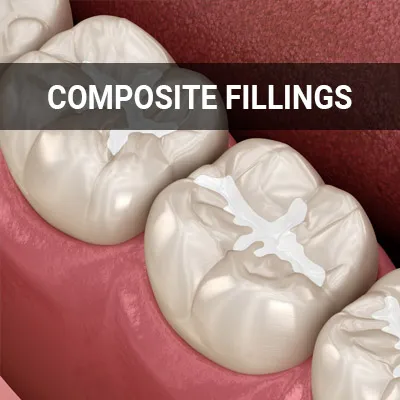
- Composite: Composite fillings provide durability and strength for small to mid-size cavities and are tooth-colored to appear more natural.
- Glass ionomer: Glass ionomer fillings consist of silicate glass-powder used in temporary fillings, decay around the gum lines, or baby teeth.
“A direct dental restoration is one that is created and placed entirely within the mouth.”


Understanding Indirect Dental Restoration
In contrast to a direct dental restoration, an indirect restoration must be created outside of the mouth before being applied to teeth. Types of indirect restorations include the following:
- Veneers: A veneer is a thin shell that covers the front of a tooth, restoring the visible appearance of a tooth that has been damaged by stains or chips.
- Inlays: An inlay is a restoration created to fill in part of the tooth cavity that has been prepared. It can span tooth cusps but does not include them.
- Onlays: An onlay is a restoration created to fill in part of the tooth cavity that includes one or more tooth cusps, so it is always larger than an inlay.
- Implants: An implant is a metal rod inserted into the bone socket and covered with a replacement tooth, such as a crown.
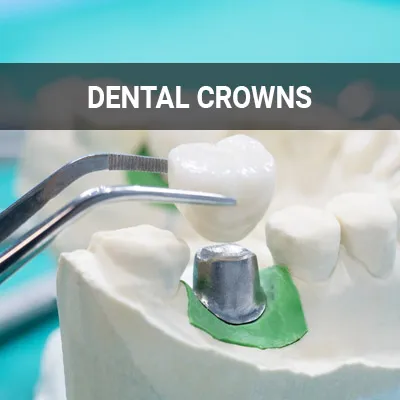
- Crowns: A tooth-shaped crown can be placed over a damaged tooth or onto a dental implant rod to restore a tooth’s function and appearance.
- Bridges: A bridge is a set of false teeth that fills in gaps left by missing teeth. A bridge can be permanently anchored into place by flanking crowns.
“A tooth-shaped crown can be placed over a damaged tooth, or onto a dental implant rod, to restore a tooth’s function and appearance.”
Check out what others are saying about our dental services on Yelp: Dental Restorations in Palm Desert, CA
When a Dental Restoration Is Necessary
Dental restoration can help weakened teeth due to severe decay or damage and help prevent further complications. Direct dental restorations or fillings are necessary to stop the decay process while leaving the teeth intact. Fillings can also restore fractured, broken teeth, or worn down teeth resulting from misuse such as nail-biting or tooth grinding.
Indirect dental restorations are necessary when a filling is not enough to restore teeth functionality. Crowns are good restorative options for unstable teeth, while a bridge can replace multiple damaged teeth to restore proper chewing function. Additionally, a dental implant can replace a missing tooth and prevent problems like jawbone erosion and impaired chewing.
“Dental restoration can help weakened teeth due to severe decay or damage and help prevent further complications.”
Questions Answered on This Page
Q. What is a direct dental restoration?
Q. When is a dental restoration necessary?
Q. Who is the right patient for a dental restoration?
Q. What is dental restoration?
Q. What are indirect dental restorations?
People Also Ask
Q. What methods are available to repair a chipped tooth?
Q. What substances and habits may cause someone to get a smile makeover?
Q. What are the benefits of restoration dentistry?
Q. What dental issues can a smile makeover improve?
Q. How can you save a tooth with a root canal?
Dental Restoration Candidacy
The right patients for a dental restoration procedure are people with structural tooth damage. Our dentist will consider several factors when determining the right dental restoration treatment for a patient. These factors include the type, extent, and location of the damage.
These procedures are best for patients with cavities or other localized dental problems. Patients who do not have enough supportive tooth structure to restore a tooth properly are good candidates for indirect restorations. Patients with more extensive tooth damage may require indirect dental restorations to provide additional strength.
“These procedures are best for patients with cavities or other localized dental problems.”


Frequently Asked Questions
Q. Is a dental amalgam safe?
A. According to the American Dental Association (ADA), dental organizations worldwide agree that amalgams are safe restorative dental materials. Over the years, there have been reports of various negative health effects associated with amalgam, but many scientific reviews have reaffirmed their safety.
Q. What are all the types of dental restorations?
A. Dental restorations are any treatments done to restore the function and/or appearance of the teeth. Restorations can include fillings, crowns, bridges, dental implants, inlays and onlays, and composite or dental bonding.
Q. How common are crowns?
A. If you are considering getting a crown placed, or your dentist has recommended one, you are not alone. According to the American Academy of Dentistry Journal, about 40 million crowns are placed each year. Dentists of all types are generally familiar with the procedure.
Q. What is the difference between an inlay and onlay?
A. While inlays and onlays are both types of indirect dental restorations, they differ in size. An inlay is created to fill in a tooth cavity that occurs between tooth cusps. An onlay is created to fill in a tooth cavity that includes one or more tooth cusps, so by definition, it is more expansive than an inlay.
Q. What are the steps involved in amalgam dental filling?
A. During an amalgam dental filling, your dentist will numb you first to make sure that you do not feel discomfort during the procedure. Then, your dentist will use an instrument such as a drill or laser to remove any decayed area. Your dentist will test to ensure that all of the decay has been removed and clean out the debris. Lastly, your dentist will apply the filling material and polish the tooth.


Scan here to view this page, Dental Restorations, on mobile
Dental Terminology
- Dental Caries
- Dental caries are also known as cavities and result from a lack of proper oral hygiene leaving plaque that forms tiny holes in the teeth.
- Dental Filling
- A dental filling involves restoring the structure of the tooth by using metal, alloy, porcelain or plastic to fill the tooth.
- Dental Sealants
- Dental sealants contain a resinous material that we apply to the chewing surfaces of the posterior teeth to prevent dental caries.
- Gingivitis
- Gingivitis is the inflammation of gum tissue that results from plaque, other infections in the mouth and poor oral hygiene.
- Tartar
- Tartar forms when plaque builds up on the surface of the teeth and calcifies into a hard surface that is much more difficult to remove and will require professional treatment.
Helpful Related Links
- American Dental Association (ADA). Glossary of Dental Clinical Terms. 2025
- American Academy of Cosmetic Dentistry® (AACD). Home Page.
2025 - WebMD. WebMD’s Oral Care Guide. 2025
About our business and website security
- Desert Dream Dentistry & Spa was established in 2017.
- We accept the following payment methods: American Express, Cash, Check, Discover, MasterCard, and Visa
- We serve patients from the following counties: Riverside County
- We serve patients from the following cities: Palm Desert, Rancho Mirage, Indian Wells, La Quinta, Bermuda Dunes, Cathedral City, and Palm Springs
- Healthgrades. View Background Information and Reviews
- Norton Safe Web. View Details
- Trend Micro Site Safety Center. View Details

Scan here to open directions to Desert Dream Dentistry & Spa on mobile
Back to top of Dental Restorations
Related Posts

2026-06-24
Dentist Consult for Options for Replacing Missing Teeth
Dentist consultations are a great place to learn more about options for replacing missing teeth . There are several different options for replacing missing teeth. During a consultation, a dentist will…

2026-06-24
Options for Replacing Missing Teeth: Are Partial Dentures Easier to Care for Than Dentures?
Dentures are a removable option for replacing missing teeth that can provide the wearer with either a full or partial set of false replacement teeth. Your best choice depends on the number of natural…

2026-06-01
Options for Replacing Missing Teeth: What Procedures Are Recommended for Missing Front Teeth?
There are many options for replacing missing teeth , even if they are your front teeth that are missing. Missing front teeth can severely hurt a person’s self-esteem and confidence because the missing…

2026-06-01
Options for Replacing Missing Teeth: Are Dental Bridges Right for Me?
If you are someone with gaps in their smile, there are many options for replacing missing teeth available to you. A dental bridge is a time-honored solution for replacing missing teeth. Similar methods…
Explore additional topics covered on our website:
Call Us Today

Scan here to call Desert Dream Dentistry & Spa on mobile