
On this page

Post-Op Care for Dental Implants Palm Desert, CA
Dental implant placement is a surgical procedure done to replace missing teeth. Post-operative care is necessary to ensure proper and seamless healing and recovery. A dentist can provide you with the necessary instructions to prevent complications and alleviate symptoms often associated with the procedure.
Post-op care instructions are provided by Desert Dream Dentistry & Spa in Palm Desert and the surrounding area. Every patient is unique, so some of the instructions below may not apply to your unique situation. If you need further clarification, call our office today at 760-219-7487.
An Overview or Post-Op Care for Dental Implants
The length of recovery time for dental implants will vary per patient. In most cases, it will not take nearly as long as people assume. With good oral hygiene and specific dietary restrictions, patients can count on an efficient and comfortable recovery. Our team can suggest soft foods patients can eat to lessen the chance of irritation in the area surrounding the implant. Patients should ask about oral health techniques to apply to avoid inflaming the site as well.
We can help explain the initial and long-term recovery process, so most patients know what to expect following implant placement. Although every patient has a different experience, there are certain side effects to expect and precautions to take during post-operative care. According to Medical News Today, infection, gum recession, and a loose implant are more common problems that can develop after dental implant surgery. Patients should inform our team of any medications they are taking or chronic conditions that might affect recovery.
“With good oral hygiene and specific dietary restrictions, patients can count on an efficient and comfortable recovery.”
Post Op Care Immediately After the Procedure
Patients must avoid disturbing the implant site to assist healing, resisting the urge to pull the lips to check the area continuously. The dentist will place sutures to maintain gum integrity. If the sutures are not self-dissolving, they should only be taken out by the dentist.
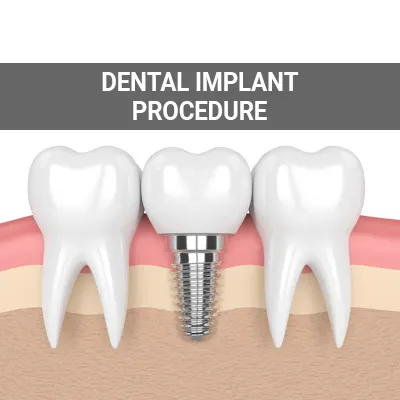
The dentist may place a healing abutment or cap over the implant for osseointegration. Qualifying patients may also get a temporary crown placed over the implant. It is vital to avoid chewing on the cap or temporary crown to prevent the implant from loosening.
Avoid rigorous exercise, bending, or lifting for at least three to four days after the procedure, as any strenuous activity may cause prolonged bleeding, pain, and swelling. The best practice is to rest in bed for the remainder of the day. Additionally, be cautious when standing, as you may become lightheaded.
“Avoid rigorous exercise, bending, or lifting for at least three to four days after the procedure, as any strenuous activity may cause prolonged bleeding, pain, and swelling.”
Post Operative Follow Up Appointments
All patients will require one or more follow-up appointments after the day of surgery, though the number of appointments and type of recommended aftercare will vary depending on each individual’s treatment plan. In any case, it is vitally important to attend all of these appointments and follow the dentist’s instructions.
Dental implants require regular checkups to ensure the procedure has been successful. The dentist must first check that the implant has attached to the jawbone properly, without any signs of inflammation or infection. Additionally, gum disease is correlated with implant failure, among other problems. A dentist can help catch these issues before they become serious.
“…it is vitally important to attend all of these appointments and follow the dentist’s instructions.”
Check out what others are saying about our dental services on Yelp: Post-Op Care for Dental Implants in Palm Desert, CA
How to Make a Quick Recovery and Return to a Regular Routine
If patients are looking to speed up the recovery process, there are some things not to do. Do not drink through a straw as the suction could irritate the wound and slow recovery. Smoking can slow healing by depriving your body of vital oxygen needed for recovery. Other vices to avoid include caffeine and alcohol. Drink water instead because staying hydrated will speed recovery.
Besides practicing good oral hygiene, there are a few things one can do to aid in recovery. Patients can use ice packs to help reduce swelling. By day two and after, saltwater rinses will help keep bacteria away.
“Besides practicing good oral hygiene, there are a few things one can do to aid in recovery.”
Questions Answered on This Page
Q. What questions should a patient ask about the post-op process?
Q. Is there anything patients can do to recover faster?
Q. How should I take care of myself immediately after the dental implant procedure?
Q. How many post-op follow-up appointments will I need?
People Also Ask
Q. What are the benefits of dental implants?
Q. How long does the implant procedure take?
Q. What happens during the initial consultation?
Q. When should people seek an implant dentist?
Q. What do I do if my implant feels loose?
Q. What can patients do to reduce their anxiety about receiving a dental implant?
Lifestyle Changes
The recovery process typically involves several weeks of dietary restrictions, lifestyle, and oral hygiene changes.
Dietary Restrictions
The dentist provides the patient with specific instructions on foods and drinks to avoid during recovery. Nothing the patient consumes should be extremely hot or cold. Keep in mind that oral infection risk is higher after implant placement, so limiting foods and beverages high in sugar is essential. Foods that are easy to chew can include oatmeal, eggs, soup, and mash potatoes. Drinking water throughout the day is helpful as well.
Lifestyle Changes
It is natural to experience discomfort for the first few weeks of post-op care. Some patients may prefer to take a day or two off work while they recover. Most importantly, avoid activities that may result in a blow to the face (sports, weight lifting, outdoor activities) during the recovery process.
Oral Hygiene Routine
As mentioned, the risk of infection is higher during recovery, so a proper oral hygiene routine is essential. Be certain to brush gently several times a day and use mouthwash regularly, along with any other specific recommendations provided by the dentist. Resources such as WebMD’s Oral Care Guide may provide useful information as well.
“Keep in mind that oral infection risk is higher after implant placement, so limiting foods and beverages high in sugar is essential.”
Frequently Asked Questions
Q. When will it be safe for me to return to work after my dental implant procedure?
A. You can expect any swelling and soreness to last for three to five days; therefore, it is advisable to undergo surgery towards the week’s end, so you can take a work break to recover. Generally, if you had the procedure on a Thursday, you can expect to return to work by Tuesday.
Q. Is there anything that can hinder the post-op recovery process?
A. Patients with uncontrolled diabetes may have complications with recovery. Patients who smoke may also be at increased risk of infection and hindered healing. Talk to your dentist about any preexisting conditions that may affect recovery.
Q. What is post-operative care like after getting the final tooth?
A. The invasive part of the procedure occurs during implant placement. Once the jaw heals around the implant, attaching the final tooth is a lot easier. Aside from some minor gum sensitivity, which can be managed with ibuprofen, there is no significant recovery process.
Q. How can I avoid infection after my dental implants procedure?
A. Keep your mouth clean whenever possible, beginning the day after surgery. Brush with a soft-bristled toothbrush and fluoridated toothpaste after meals and before bedtime. Stop any bleeding by applying gauze to the treatment area. Finally, do not rinse your mouth directly after surgery.


Scan here to view this page, Post-Op Care for Dental Implants, on mobile
Dental Implant Terminology
- Antibiotics
- Antibiotics can include a variety of antibacterial medications that treat different forms of bacterial infections.
- Bone Graft
- A bone graft is a surgical procedure replacing missing bone to repair bone fractures and other issues.
- Chlorohexidine
- Chlorhexidine is a common type of prescription mouthwash that dentists use to help patients clean their teeth.
- Dental Implant
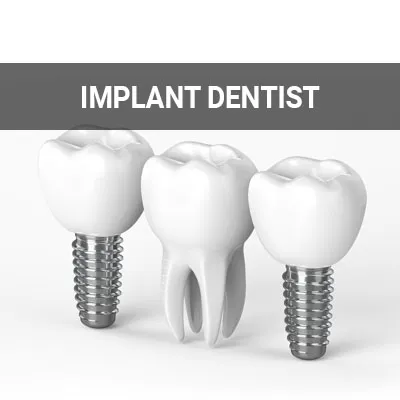
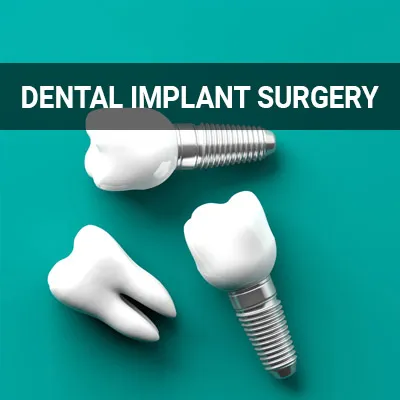
- A dental implant is an artificial tooth root that is placed into your jaw to hold a replacement tooth or bridge. Dental implants may be an option for people who have lost a tooth or teeth due to periodontal disease, an injury, or some other reason.
- Endosteal (endosseous)
- Endosteal is a type of dental implant that a professional places in the alveolar and basal bone of the mandible that transcends only one cortical plate.
- Gingiva
- Gingiva is another term that refers to the gum tissue in the mouth that surrounds the teeth.
- Local Anesthetic
- Local anesthetic is anesthesia that dental professionals apply to one specific spot, such as the upper/lower lip or gums.
- Smoking and Implant Failure
- Smoking can be a direct result of dental implant failure and one of the many reasons that people need to seek implant restorations.
Call Us Today
We enjoy helping our dental implant patients through every treatment stage, from the initial consultation to post-operative care. Call us at 760-219-7487 today to schedule a visit with us and learn more about the treatment and post-operative care process for dental implants.
Helpful Related Links
- American Dental Association (ADA). Glossary of Dental Clinical Terms. 2025
- American Academy of Cosmetic Dentistry® (AACD). Home Page.
2025 - WebMD. WebMD’s Oral Care Guide. 2025
About our business and website security
- Desert Dream Dentistry & Spa was established in 2017.
- We accept the following payment methods: American Express, Cash, Check, Discover, MasterCard, and Visa
- We serve patients from the following counties: Riverside County
- We serve patients from the following cities: Palm Desert, Rancho Mirage, Indian Wells, La Quinta, Bermuda Dunes, Cathedral City, and Palm Springs
- Healthgrades. View Background Information and Reviews
- Norton Safe Web. View Details
- Trend Micro Site Safety Center. View Details

Scan here to open directions to Desert Dream Dentistry & Spa on mobile
Back to top of Post-Op Care for Dental Implants
Related Posts

2026-09-01
How Long Does a Dental Filling Last?
A dental filling can repair a tooth after decay and help prevent the cavity from getting larger. However, how long a filling can do its job depends on the material, the size and location of the cavity,…

2026-08-03
When Dental Pain May Indicate the Need for a Root Canal
Are you experiencing dental pain? Recognizing when a root canal is required can be the difference between saving a natural tooth and needing a total extraction. If you are experiencing dental pain,…

2026-07-01
How Emergency Dentists Perform a Root Canal Retreatment
If severe tooth pain returns after a previous root canal, an emergency dentist may recommend root canal retreatment to eliminate the infection and restore long-term dental health. While an initial…

2026-06-24
Dentist Consult for Options for Replacing Missing Teeth
Dentist consultations are a great place to learn more about options for replacing missing teeth . There are several different options for replacing missing teeth. During a consultation, a dentist will…
Explore additional topics covered on our website:
Call Us Today

Scan here to call Desert Dream Dentistry & Spa on mobile